June 25, 2026 · Bashar Amso
The estimate you lost because you were on a job site
Homeowners call three or four contractors and hire the first to call back. Here's what unanswered calls cost a contractor, and how to catch every estimate without leaving the job.
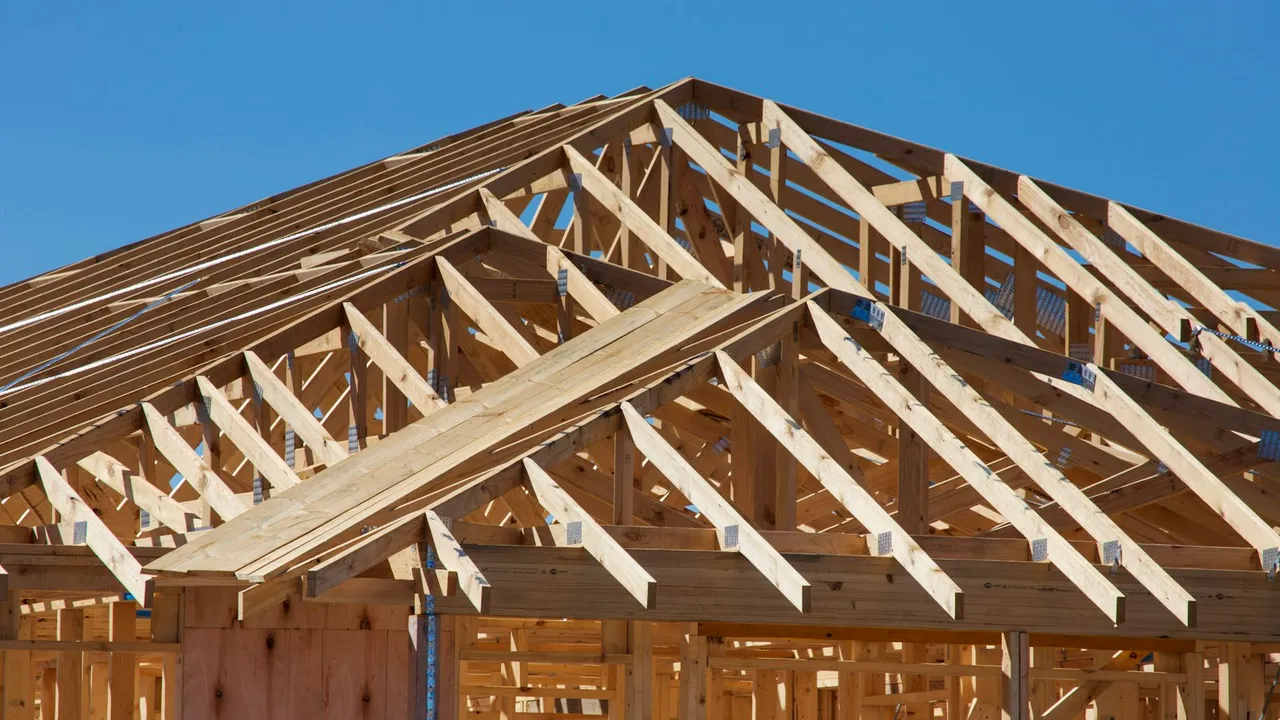
A homeowner wants to build an ADU in the backyard. They call three or four general contractors. You’re on a job site with your hands full and can’t grab the phone. By the time you call back, two others already answered, and one has the walk-through booked.
That’s not bad luck. It’s the math of how people hire.
The first call back usually wins the bid
A 2022 survey of more than a thousand homeowners found 95% get more than one bid, most get three or more, and nearly a third expect a quote the same day. The first contractor to pick up and book the visit often ends the competition before it starts.
Meanwhile the calls are quietly leaking. Home-services businesses miss about 27% of their inbound calls, according to data from over 60 million calls. And of the people who get pushed to voicemail, under 3% bother leaving a message. Voicemail isn’t a safety net. It’s a dead end.
A missed call is a five-figure job
This isn’t a fifty-dollar miss. Industry survey data puts an average kitchen remodel anywhere from $15,000 to $50,000 and a whole-house remodel from $20,000 to $75,000. An addition or an ADU runs well beyond that. A missed call is a five-figure job, or a much bigger one, handed to whoever answered.
It stings worse if you pay for leads. Angi and Google leads run anywhere from $15 to over $150 each, and they are often shared with several contractors at once. Miss that call and you paid good money to hand a competitor the job.
How to catch every estimate without leaving the job
So I set up an AI receptionist that answers every call in a natural voice, even when you’re on a job, after hours, or already on another line. It gets the homeowner’s name, number, and what they need, books the estimate to your calendar, and texts you the details.
From there the system follows through on its own. It texts and emails the homeowner to confirm the appointment, sends a reminder the day before so they are home when you show up, and follows up on the quotes that go quiet. The speed-to-lead research is blunt about why this works: answering in minutes instead of hours makes a lead 21 times more likely to turn into real work. It runs on the Amso AI CRM, or pipes into the CRM you already use.
You keep working. The estimates keep booking.